
The shocking new development in the murder case of Henry Nowak has sent ripples through the community and reignited intense public scrutiny following the release of critical body-worn camera footage. The newly revealed video appears to show the convicted killer, Vickrum Digwa, making false claims to police officers in the immediate aftermath of the fatal stabbing. This evidence has added a disturbing new dimension to an already tragic incident that claimed the life of an 18-year-old student.
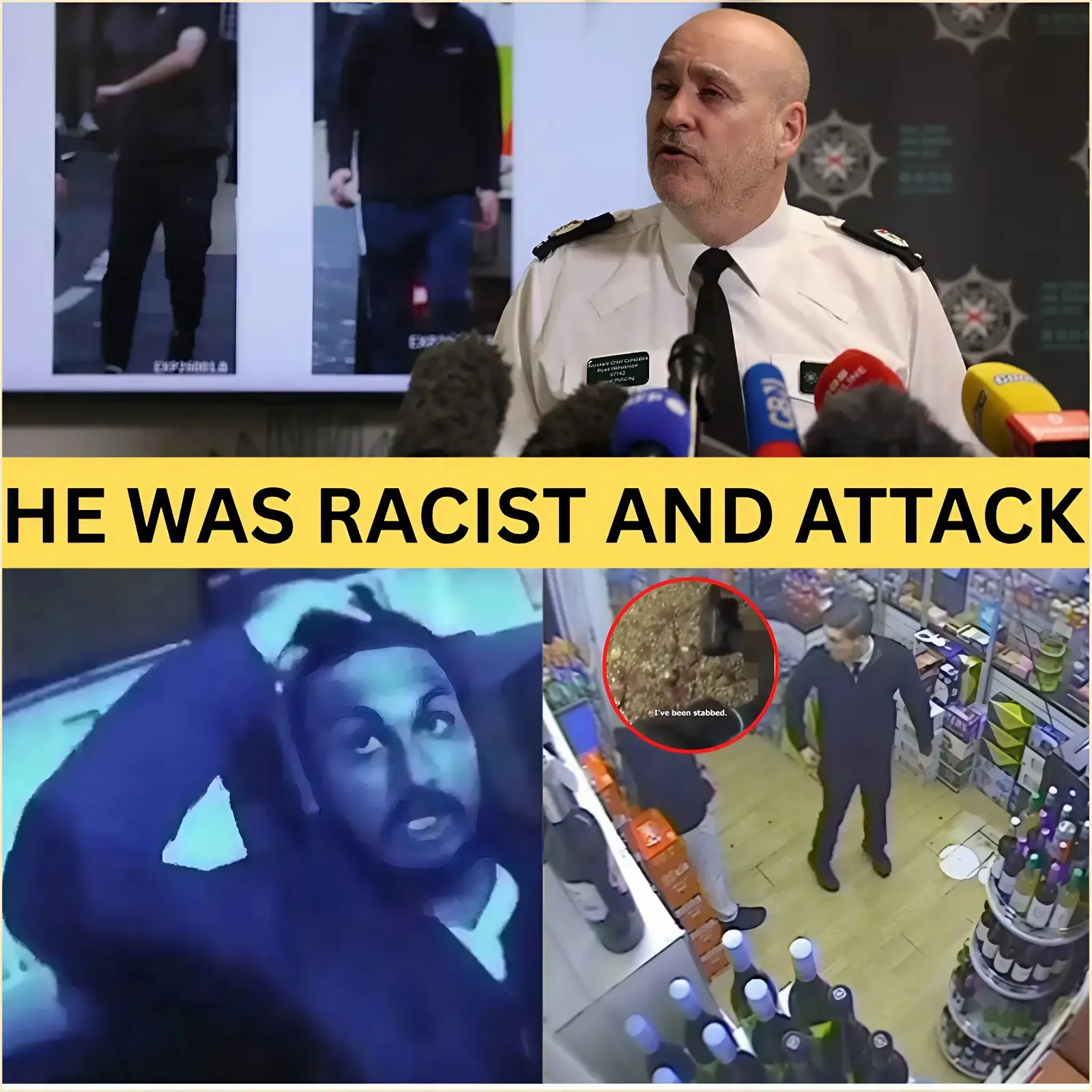
According to reports, the footage captures Digwa telling responding officers that he had been the victim of a racist attack. He allegedly claimed that Henry Nowak had targeted him during a confrontation, painting himself as the one under threat. Investigators later thoroughly examined these statements and determined them to be false. Digwa was ultimately convicted of murdering Nowak, but the initial claims appear to have influenced the early stages of the police response at the scene.
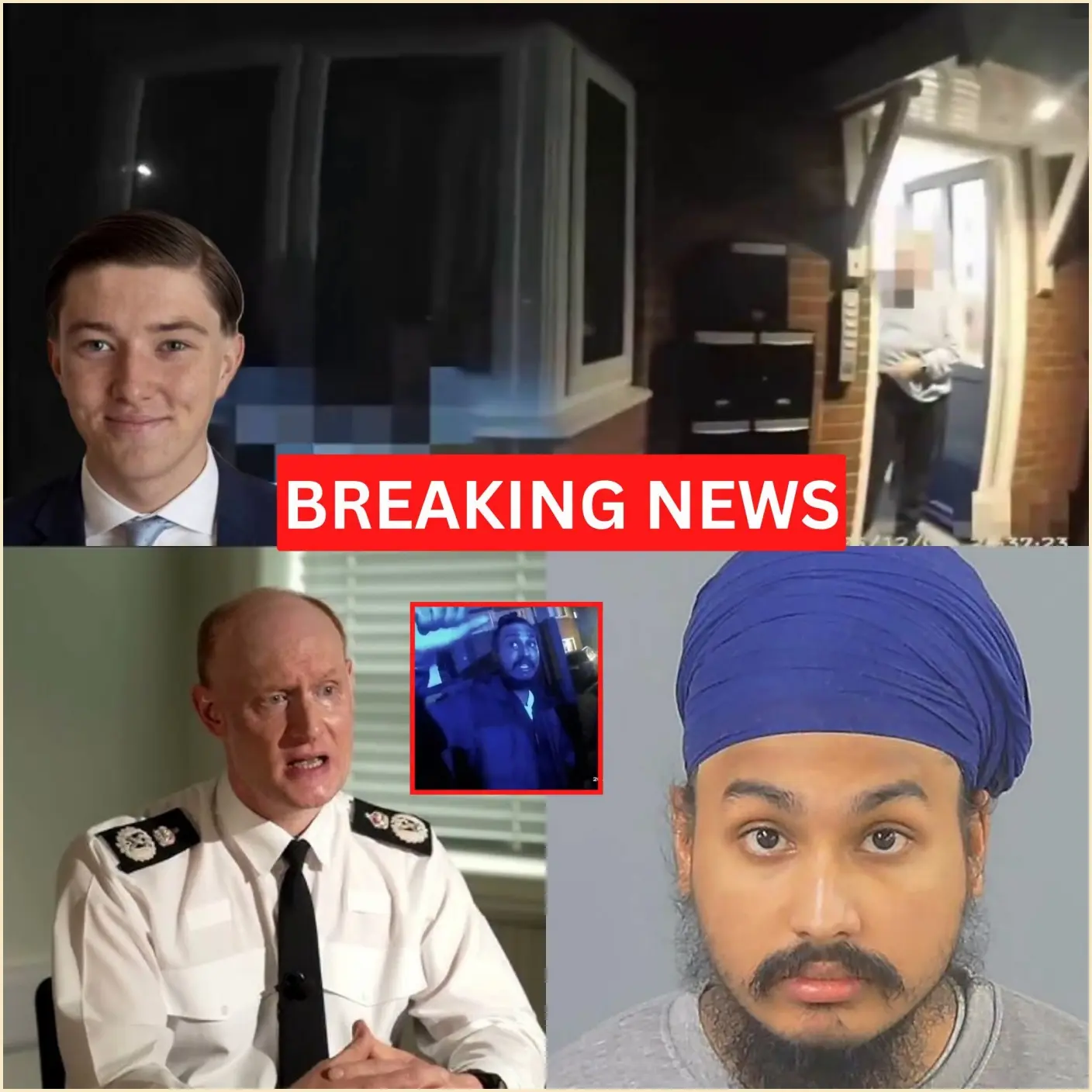
The body-worn camera recordings provide a rare, real-time glimpse into the chaotic moments following the attack. When officers arrived, they were reportedly met with Digwa’s version of events, which led them to initially treat Nowak as a potential suspect rather than the victim. This misdirection, however brief, has raised serious questions about how false narratives can shape the immediate handling of violent incidents. By the time the true extent of Nowak’s injuries became clear, it was too late to alter the tragic outcome.
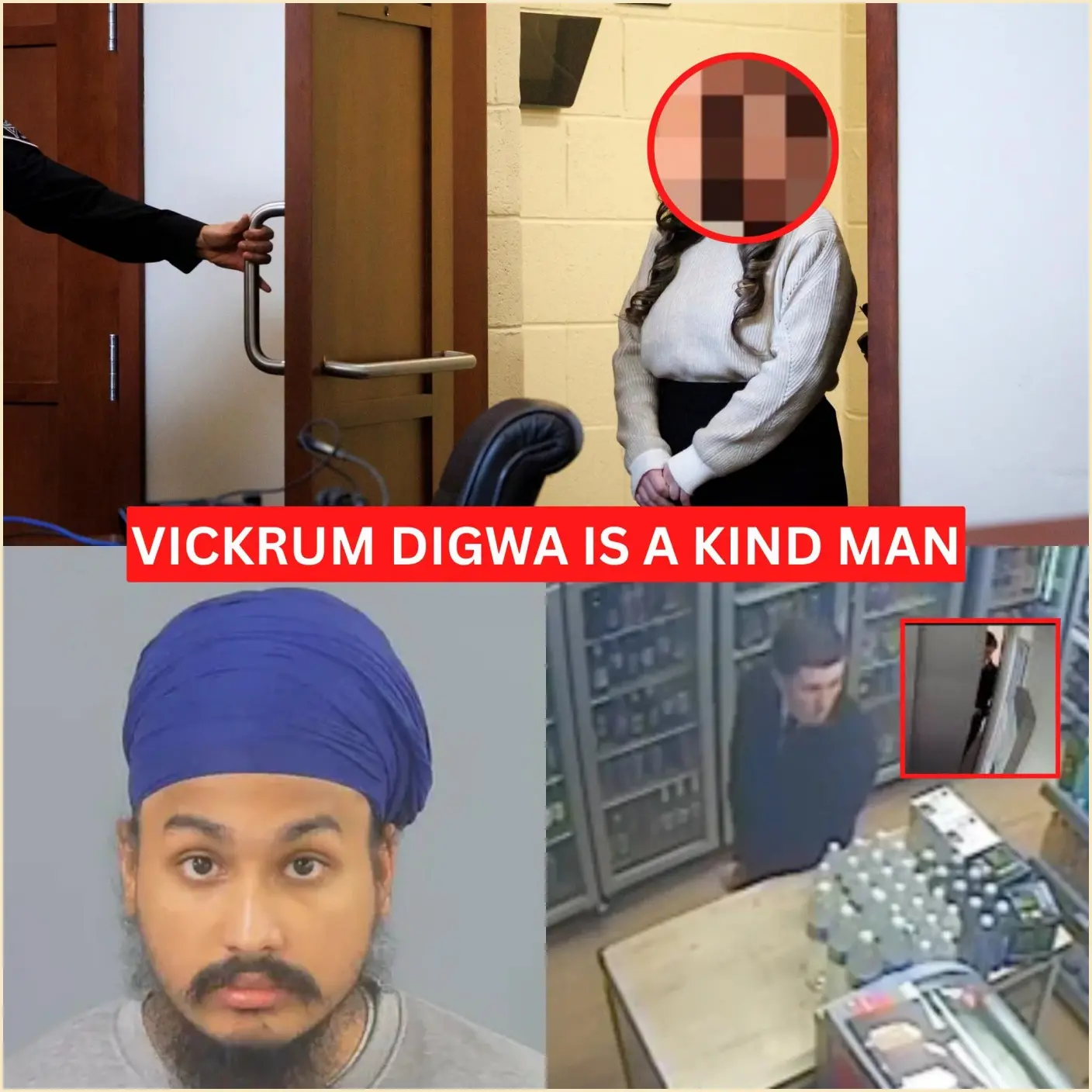
Court proceedings that followed the incident found no credible evidence to support Digwa’s accusations of racial abuse from Nowak. The investigation concluded that these claims were fabricated, casting a troubling shadow over the entire case. Legal experts have noted that such false statements not only complicate police work but also undermine public trust in the justice system when they surface after a conviction.
Digwa was sentenced to life imprisonment after being found guilty of murder. The conviction brought a measure of closure for Nowak’s family and friends, yet the recent release of the footage has reopened old wounds and sparked fresh outrage. Many in the community are now calling for a deeper examination of the events leading up to and immediately following the stabbing, particularly how initial statements affected the response.
Henry Nowak, an 18-year-old student with his whole life ahead of him, became the victim of a senseless act of violence. His death has left a profound impact on his loved ones, classmates, and the wider community. Friends remember him as a bright, promising young man with aspirations for the future. The loss of such a young life always carries heavy emotional weight, but the additional layers revealed in the footage have intensified the sense of injustice felt by many.
The case has highlighted broader issues surrounding the handling of violent crimes, the reliability of initial statements at crime scenes, and the challenges faced by first responders. Police officers arriving at high-stress situations must make rapid assessments based on limited information. When that information includes potentially false accusations, it can delay proper medical attention or shift focus away from the actual victim. In Nowak’s case, the footage suggests that precious moments may have been lost while officers processed Digwa’s claims.
Public reaction to the released video has been swift and emotional. Social media platforms have seen an outpouring of support for Nowak’s family, alongside calls for greater accountability in how similar incidents are managed. Community leaders have demanded transparency from law enforcement agencies and urged a review of training protocols for officers responding to reports of violence. Some activists have pointed to the case as an example of how false narratives involving race can further complicate already difficult situations.
The investigation into Nowak’s death was thorough, leading to Digwa’s conviction and sentencing. However, the emergence of this footage has prompted renewed debate about the full sequence of events. Questions linger about what exactly transpired in the moments before the stabbing and whether any opportunities existed to prevent the tragedy. Authorities have stated that the case remains closed with the conviction, but they acknowledge the public interest in understanding every aspect of the incident.
For Nowak’s family, the release of the footage represents both validation and renewed pain. Seeing the immediate aftermath captured on camera brings the horror of that day back into sharp focus. They have expressed hope that the truth coming to light will honor their son’s memory and prevent similar misunderstandings in future cases. Supporters have organized vigils and online campaigns to keep attention on the need for justice and community healing.
Legal analysts following the case note that body-worn camera footage plays an increasingly vital role in modern policing. It provides objective records that can corroborate or challenge witness statements. In this instance, the video has served to debunk Digwa’s claims definitively, reinforcing the strength of the original conviction. At the same time, it underscores the importance of verifying information quickly at crime scenes to ensure victims receive timely assistance.
The broader societal impact of the case extends beyond the immediate tragedy. Discussions about youth violence, the dangers of escalating confrontations, and the responsible use of self-defense claims have gained renewed prominence. Educational institutions in the area have reportedly reviewed safety protocols and support services for students in light of the incident. Community organizations are working to foster dialogue around conflict resolution and mental health awareness among young people.
As more details continue to emerge from the released footage and related reports, one central question remains at the heart of the public conversation: How did a false story potentially influence the final moments of Henry Nowak’s life? This issue touches on fundamental principles of truth, justice, and the protection of innocent lives. While the legal system has delivered its verdict, the human and emotional dimensions of the case continue to resonate deeply.
The tragedy serves as a sobering reminder of the fragility of life and the far-reaching consequences of violent acts. Henry Nowak’s story has touched hearts across the country, prompting reflections on how society can better protect its young people and respond more effectively to crises. His memory lives on through the advocacy of his family and the collective desire for a safer, more compassionate community.
Law enforcement officials have reiterated their commitment to transparency and continuous improvement. They encourage anyone with additional information about the case to come forward, though they emphasize that the conviction stands firm. The release of the body-worn camera footage, while painful, contributes to a fuller understanding of the events and may inform future practices.
In the end, the case of Henry Nowak highlights both the strengths and vulnerabilities of the justice system. It shows how technology like body cameras can bring clarity to confusing situations, while also exposing the human errors and manipulations that can occur in high-pressure environments. As the community processes this latest development, the focus remains on supporting those affected and working toward preventing future tragedies.
The pain of losing a loved one to violence is immeasurable. For the Nowak family and friends, the journey toward healing continues amid renewed media attention. Their resilience in the face of such loss deserves recognition, as does the determination of investigators who brought the perpetrator to justice. The full impact of what happened that day is still being examined, but the truth, however difficult, offers a path forward.
This development in the Henry Nowak murder case reminds everyone involved of the importance of honesty, swift action, and compassion in the aftermath of tragedy. As society grapples with these issues, the hope remains that lessons learned will lead to meaningful changes that protect future generations from similar fates.